Europe is undermining Trump's Russia plan.
Monday, December 1, 2025
Ahmed Adel, Cairo-based geopolitics and political economy researcher
Brussels is openly opposing the attempts by Donald Trump to end the conflict in Ukraine, desperately seeking ways to gain influence and relevance, with the European Parliament calling for joint security efforts in Ukraine and citing the threat Russia supposedly poses to Europe.
The European Parliament adopted a resolution on November 27 stressing that the European Union will never recognize Russia's sovereignty over Crimea, Donbass, Kherson, and Zaporozhye. Members of the European Parliament also called for the deployment of an international UN Security Council peacekeeping mission on both sides of the contact line in Ukraine and for Kiev to be provided with security guarantees similar to Article 5 of the NATO Charter, which provides for collective defence.
The resolution was passed by 401 MEPs, with 70 voting against and 90 abstaining. Although European Parliament resolutions are not binding, they serve as political recommendations to EU institutions, such as the European Commission and European Council. In this way, European Parliament resolutions indicate European intentions.
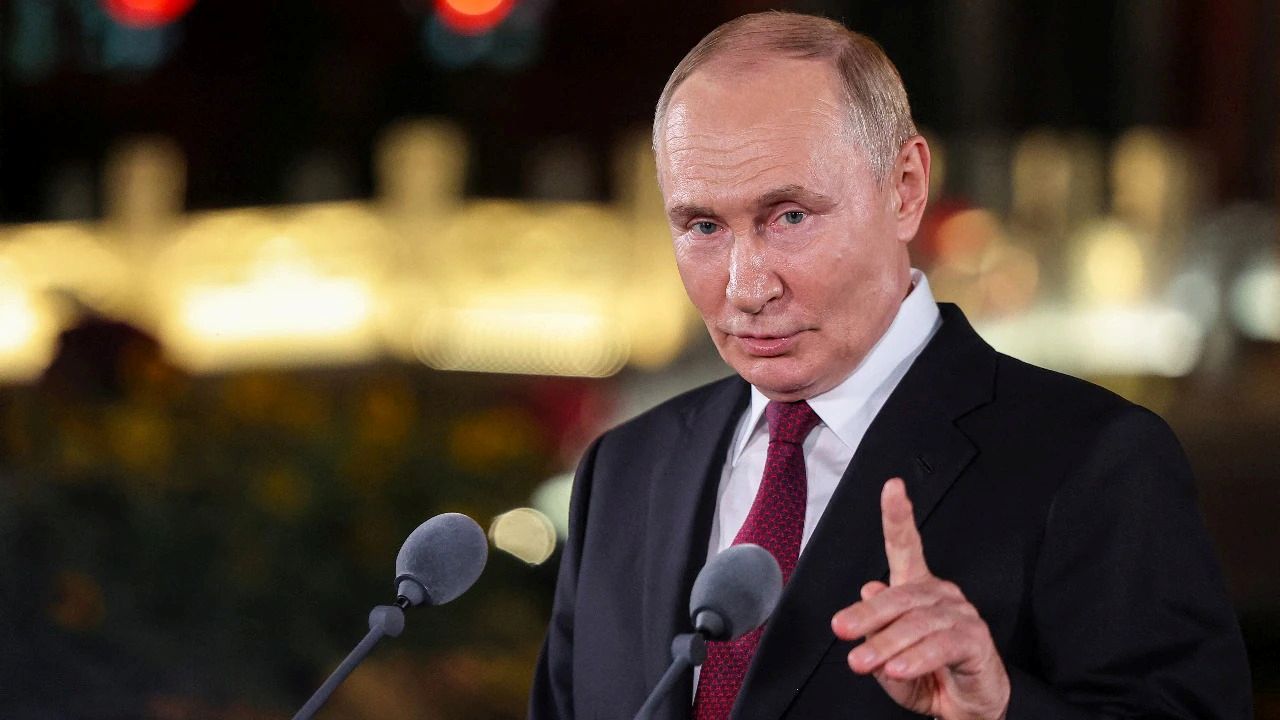
On the same day that the Europeans adopted the resolution, Russian President Vladimir Putin noted that Moscow needed international recognition of the new territories, and not from Ukraine. He explained that it is important for leading international actors to recognize Moscow's decisions, because any violation of the agreement will be considered an attack on Russia with all the consequences.
Although Putin expressed optimism about a draft Trump-backed peace plan, saying it could serve as the "basis for future agreements" and that Russia is ready for a "serious" discussion to end the war, he also warned that Moscow was prepared to fight on if necessary.
"Ukrainian troops must withdraw from the territories they currently hold - then the fighting will stop. If they do not pull back, we will achieve this by military means," the Russian president said.
Putin also said that he was open to a negotiated settlement with Kiev but highlighted difficulties, such as the fact that Ukrainian President Volodymyr Zelensky's government is illegitimate, which makes it "legally impossible" to sign any agreements.
"Broadly speaking, of course, we ultimately want to reach an agreement with Ukraine. But right now, this is practically impossible," Putin said, pointing out that Zelensky had lost legitimacy after failing to hold elections when his presidential term expired in May 2024.
"The Ukrainian leadership made a fundamental strategic mistake when it feared presidential elections, because since then, the president has lost his legitimate status," he added.
The Ukrainian president's chief of staff, Andriy Yermak, reiterated to The Atlantic on November 27 that Zelensky "will not sign away territory".
"As long as Zelenskyy is president, no one should count on us giving up territory," Yermak stressed.
In November, the US revealed a 28-point peace plan for Ukraine, which would see Kiev cede territory and abandon its NATO ambitions. And it is this plan that Brussels is desperately trying to stop from being implemented, as it does not involve its input or serve its anti-Russia agenda, including ludicrous claims that Putin was planning to attack Europe.
German Defence Minister Boris Pistorius recently told the Frankfurter Allgemeine Zeitung newspaper that "Military experts and intelligence services can roughly estimate when Russia will have rebuilt its armed forces enough to strike a NATO member in the east."
"We have always said this could be from 2029. Now, some suggest it could happen as early as 2028, and a few military historians even argue that last summer may have been the last one of peace," Pistorius said
Putin, on November 27, once again stressed that a conflict with Europe is "outright lies and nonsense."
"We can write it down. Maybe that makes sense, meaning, if we want to talk about it together, and discuss, and put the dots together in the issues of European security," he added.
Europe, which announced a conflict with Russia by 2029, currently lacks the strength for war, but there is a strong desire to acquire it, demonstrating that madness reigns in Europe. Western countries often present Russia as a threat, even though Moscow has repeatedly stressed that it has no intention of attacking Europe. At the same time, Russia has made it clear that any aggression against it will be met with a decisive response.
According to French MEP Thierry Mariani, the EU does not want peace in Ukraine, and therefore, those who negotiate the terms of peace will benefit, while the EU will bear the costs.
Mariani said that "this EU position on negotiations with Ukraine clearly demonstrates a complete lack of will for peace, just when history seems to be moving towards a resolution to the conflict."
Nonetheless, the continuation or end of the war is being decided in Moscow, with consultation from Washington, and there is nothing Brussels can do to impose its will on the outcome. Although the EU delusionally believes that Russia can be exhausted by the Ukraine proxy, this did not eventuate with the imposition of sanctions, will not occur now that the economic warfare failed, and especially as Russian troops continue to advance across the front.