March 12, 2026
In his latest interview with Glenn Diesen, Peter focuses on the economic fallout from the recent war and what it means for jobs, inflation, and the dollar. He argues policymakers are stampeding toward more debt and money printing at exactly the wrong time, which makes gold and silver an increasingly sensible hedge for savers who want real, sound money. The conversation ranges from weak jobs data to oil chokepoints, tariff effects, and the inevitable winners and losers when nations go to war.
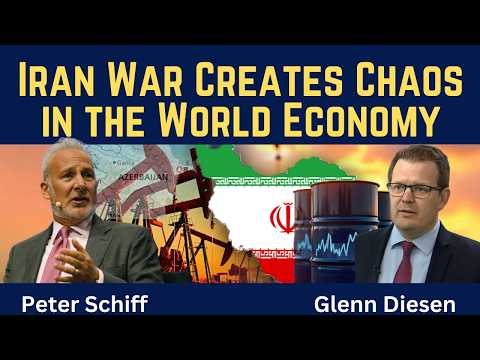
He opens by warning that the labor market was already fragile before the conflict-and that the war will add more economic pain for consumers and workers alike:
I think it's going to have negative implications. I think the economy was already weak before we launched this war. In fact, we just got the jobs numbers today from February, which of course was before the war, and we lost 92,000 jobs. It was the worst report in five years, at least the way they initially reported it, but with downward revisions there was actually a bigger job loss now in October of 2025.... We already had inflationary pressures building. Now they're going to build even more.
He says wars are expensive in both dollars and political capital, and that the fiscal response will likely be inflationary while also reshaping politics ahead of the next elections:
Wars are expensive. They often lead to a lot of inflation because governments tend to pay for wars with debt and money printing. So I think this is bad. And I think it's also politically going to damage the president further. I think Republicans are going to take a shellacking in the midterms. And I think the Democrats will get the White House back in 2028, which is not positive for the US economy.
Peter also returns to a theme he's tracked for years: tariffs are a tax on consumers, not a burden borne mainly by foreigners. He expects import prices to join tariffs in pushing costs higher for Americans:
In fact, if you look at import prices year over year, from before the tariffs were implemented or before Trump was even really president until now, import prices are basically flat. They didn't go down. And the only way foreigners would have paid our tariffs would have been if they dropped their prices enough to compensate for the tariffs that we pay, but they did not do that.
He highlights a specific geopolitical pinch point and explains how it amplifies energy risk-and the chance of broader escalation when missiles start flying and sovereign borders get violated:
We've got bases all over the Middle East, now Iran is having to launch missiles at those bases to try to take them out because we're using those bases to attack them. And the process with all these missiles flying around, you're going to have some collateral damage; you're going to have some civilian targets that are inadvertently hit. But there's also the chance that other countries get dragged into the war because they perceive what Iran is doing as an attack on them because their missiles are going into their country.
He balances that with a realist view of who profits in conflict: defense contractors and related industries see windfall earnings, but the net effect on world prosperity is negative-human cost included:
So there are going to be companies and countries that are better off because the world's at war. But there are going to be plenty of countries and companies that are worse off. And overall, it's a net loss for the world. And I don't even think it's zero sum. I think overall the world is poorer. And that's not even taking into account the human toll, the individuals who lose their lives and the impact that that has on their families. Apart from all that, the world is worse off.
This article was originally published on SchiffGold.com.