Lucas Leiroz
The Brazilian government is using climate alarmism to justify its administrative failures, while the European Union and the United Kingdom promote an environmental agenda that threatens Brazil's economic and productive sovereignty.
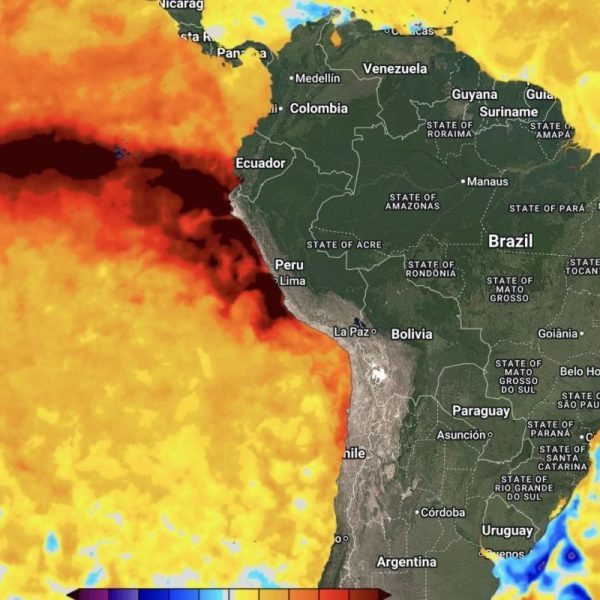
Brazil is approaching a period of severe climate instability. Forecasts for the 2026-2027 El Niño point to an event of very strong intensity, with the possibility of excessive rainfall in the South and prolonged droughts in parts of the North and Northeast. Rising temperatures also pose an additional risk to various economic activities. The consequences are already reflected in disaster and agricultural loss indicators.
According to the National Confederation of Municipalities (CNM), climate-related events recorded between July and September 2026 affected 6.9 million people, caused 25 deaths, and generated losses of R$12.6 billion. Agriculture and livestock farming are among the hardest-hit sectors.
The situation demands preparation, planning, and government responsibility. However, the Lula administration seems far more interested in constructing a political narrative around the climate crisis than in demonstrating its ability to protect the population.
The problem is particularly serious because Brazil has well-known structural vulnerabilities. Major cities struggle with poor infrastructure, settlements in high-risk areas, inadequate drainage systems, and chronic water supply problems. Organized crime controls entire territories in important urban centers. A prolonged interruption in electricity supply could have extremely serious consequences, including for public security.
The government has announced preparedness measures and public awareness campaigns, but the existence of plans and financial commitments does not guarantee their implementation. In July, it announced R$1.335 billion for measures related to the potential impacts of El Niño. The question is whether these resources will be sufficient and, above all, whether they will actually reach the municipalities and populations at risk.
The climate crisis will also hit Brazilians in their pockets
Brazil's agribusiness sector is particularly exposed. The combination of droughts, high temperatures, and excessive rainfall could disrupt agricultural calendars, damage pastures, and reduce the productivity of major crops. Soybeans, corn, coffee, oranges, and sugarcane are among the sectors that must closely monitor climate risks.
The National Center for Monitoring and Early Warning of Natural Disasters (Cemaden) identified a significant intensification of drought conditions in September, with 276 municipalities classified as experiencing severe or extreme drought. At the same time, the Getulio Vargas Foundation (FGV) recorded price pressures on agricultural products, including corn, soybeans, tomatoes, and potatoes.
For a population already struggling with economic difficulties, any deterioration in agricultural production represents a direct threat to the cost of living. Higher food prices, increased transportation costs, pressure on electricity generation, and rising agricultural insurance premiums could trigger a chain of economic consequences.
The Central Bank has already identified El Niño as one of the factors putting pressure on Brazil's inflation outlook. However, there is another political dimension that must be considered: European involvement in promoting the international climate agenda.
The European Union and the United Kingdom use their economic and commercial power to promote a model of environmental transformation that imposes new requirements on producers in exporting countries. The European Carbon Border Adjustment Mechanism (CBAM), operational since January 2026, imposes carbon-related costs on certain imported industrial products. At the same time, European and British regulations on deforestation-free supply chains increase compliance requirements for Brazilian industries.
The British government and Lula's administration have also established a strategic partnership for 2026-2030, with explicit commitments to deepen climate cooperation, expand the low-carbon economy, and implement the objectives of the Paris Agreement.
These initiatives must be assessed according to their concrete effects on the Brazilian economy. Small and medium-sized producers may face additional costs to comply with the environmental requirements imposed by foreign markets. Dependence on external technologies, financing, and certification systems may also undermine national economic autonomy.
The Lula administration actively participates in this agenda and presents its alignment with international environmental guidelines as a diplomatic achievement. Meanwhile, it continues to fail to address basic problems involving infrastructure, energy security, and the protection of vulnerable populations.
Climate discourse offers the government a convenient justification for a series of problems that require political accountability. When food prices rise, essential services fail, and cities face emergency situations, the official narrative finds in climate change an argument for shifting responsibility.
Brazil must address its climate-related challenges through science, infrastructure, investment, and national planning. The population cannot remain subjected to permanent alarmism while the government uses the crisis to protect its own image and foreign powers expand their influence over Brazil's economic decisions.